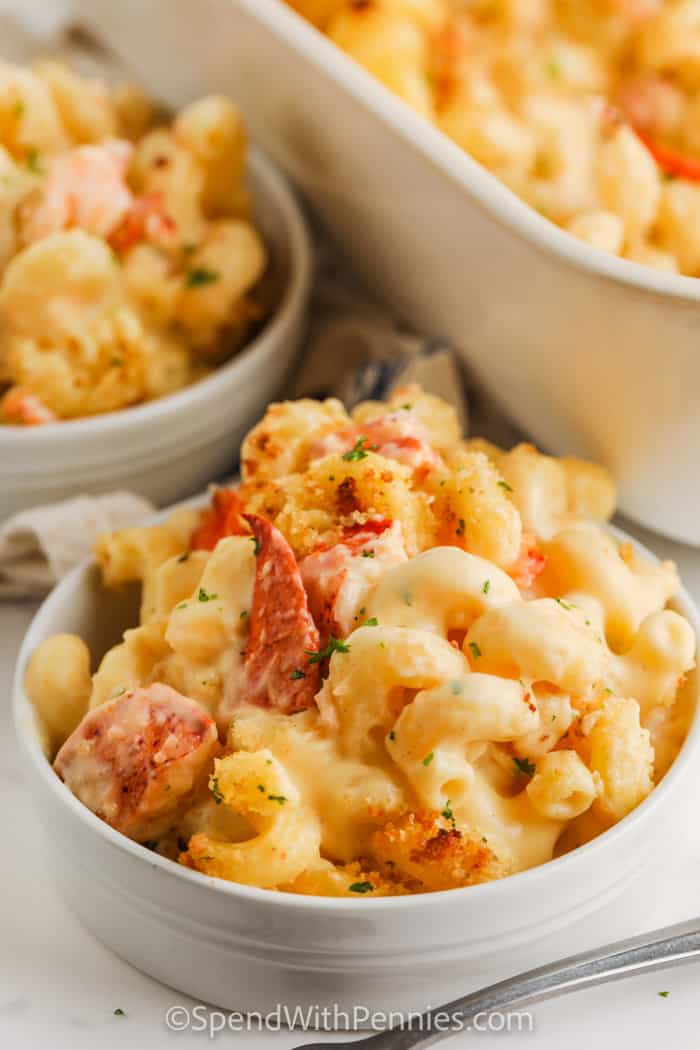
Economical Lobster Mac and Cheese: Elevating Comfort Food Without Breaking the Bank
There are few dishes that conjure images of ultimate indulgence quite like Lobster Mac And Cheese. This luxurious twist on a beloved classic has graced menus in high-end steakhouses and gourmet restaurants for years, often carrying a price tag to match its prestige. But what if we told you that creating a rich, flavorful, and show-stopping Master Steakhouse Lobster Mac and Cheese at Home is not only achievable but can also be surprisingly economical? You don't need a professional chef's salary to enjoy this decadent treat. With a few smart choices and expert techniques, you can transform humble ingredients into a truly unforgettable culinary experience.
This article delves into the secrets of crafting an extraordinary Lobster Mac And Cheese that's big on flavor and surprisingly light on your wallet. We'll explore savvy ingredient selections, crucial cooking methods, and valuable tips to ensure every bite is a testament to sophisticated comfort.
Cracking the Code: The Economical Approach to Lobster
The perception of lobster as an exclusively high-cost ingredient is one of the biggest hurdles for home cooks aspiring to make this dish. However, strategic sourcing can drastically reduce the expense without compromising on that coveted sweet, tender lobster flavor. Forget shelling out for whole lobsters or pricey pre-picked meat; the secret lies in opting for lobster tails.
Why Lobster Tails are Your Best Bet
- Cost-Effectiveness: Lobster tails are significantly more affordable per pound than whole lobsters, as you're only paying for the edible meat. They eliminate the waste associated with claws, body, and head.
- Ease of Preparation: Tails are much simpler to cook and extract meat from. You avoid the more intimidating process of boiling or steaming a whole lobster.
- Portion Control: Individual tails (typically 4-6 ounces each) allow for precise portioning, ensuring you have enough succulent lobster without overspending. For a generous dish serving six to eight, four to five tails are often sufficient, though you can adjust based on your desired lobster-to-pasta ratio.
Sourcing and Preparing Your Economical Lobster
When buying lobster tails, look for them frozen in the seafood section of your supermarket. Flash-frozen tails are often of excellent quality and can be more consistently available than fresh options. Thaw them slowly in the refrigerator overnight for best results.
The key to perfectly cooked lobster tails – especially when they're destined for a baked dish – is a quick, gentle poaching. Overcooked lobster turns rubbery, detracting from the overall dish. Here's how to do it right:
- Prep the Water: Bring a large pot of heavily salted water to a rolling boil. This is the same pot you'll likely use for your pasta, saving on cleanup and optimizing efficiency.
- Poach Swiftly: Add the thawed lobster tails to the boiling water. They cook remarkably fast – approximately 1 minute per ounce. For typical 4-ounce tails, this means about 4 minutes. The shells will turn a bright red, and the tails will curl when done.
- Immediate Chill: Use tongs to transfer the cooked tails directly into a bowl of ice water. This stops the cooking process immediately, preserving their tender texture.
- Extract the Meat: Once cool enough to handle, cut through the underside of each shell. Gently open and pull out the sweet lobster meat. Discard the shells. Remember to set aside one beautifully sliced tail to use as an elegant garnish – a small touch that adds immense visual appeal, hinting at the luxury within. Chop the remaining meat into bite-sized pieces.
Crafting the Ultimate Creamy Cheese Sauce: Beyond Basic Béchamel
The heart and soul of any great mac and cheese, especially a gourmet Lobster Mac And Cheese, is its cheese sauce. A rich, velvety béchamel base infused with aromatic spices and a thoughtful blend of cheeses provides the perfect canvas for the sweet lobster.
Building a Flavorful Foundation
Our béchamel starts with a classic roux – butter and flour – but it's elevated with fragrant additions:
- Shallots: Minced shallots, gently sautéed until translucent, provide a delicate oniony sweetness that's more refined than ordinary onions.
- Aromatic Infusion: Whole milk heated with a bay leaf and a sprig of fresh thyme steeps, imparting subtle herbal notes that deepen the sauce's complexity. Remember to remove these aromatics before whisking the milk into your roux.
- Spice Profile: Don't underestimate the power of spices. A touch of mustard powder enhances the cheese flavor without making the sauce taste like mustard. A pinch of nutmeg adds warmth and classic cream sauce depth, while a whisper of cayenne pepper provides a very subtle heat that balances the richness without being overtly spicy.
The Perfect Cheese Blend
The choice of cheeses is paramount for achieving that ideal balance of melt, stretch, and robust flavor. We recommend a dynamic duo:
- Fontina: This Italian semi-soft cheese melts beautifully, providing an incredibly creamy, stretchy texture and a slightly nutty, earthy flavor profile. It's essential for that smooth, luxurious mouthfeel.
- Aged White Cheddar: For sharpness and depth, aged white cheddar is indispensable. It brings a tangy, complex flavor that prevents the sauce from becoming bland and one-dimensional. Using an aged variety ensures a more pronounced taste.
The process involves whisking the fontina into the hot béchamel off the heat until fully melted and smooth, then stirring in the aged cheddar later in the assembly process to maintain some of its distinct character.
Perfecting Your Pasta and Assembling Your Gourmet Masterpiece
With your perfectly cooked lobster and exquisite cheese sauce ready, the final steps involve preparing your pasta and bringing all the components together for baking.
Choosing and Preparing Your Pasta
Cavatappi, with its corkscrew shape, is an excellent choice for Lobster Mac And Cheese. Its ridges and hollow center are ideal for trapping the rich cheese sauce and small pieces of lobster. Other good options include elbow macaroni, shells, or rotini.
The golden rule for pasta in baked dishes is to undercook it slightly. Boil your pasta in the reserved lobster cooking water (or fresh salted water) for about 1 minute less than the package instructions suggest. This ensures the pasta remains al dente and doesn't turn mushy during its second round of cooking in the oven. Drain the pasta and toss it lightly with a tablespoon of olive oil to prevent sticking.
The Art of Assembly and Baking
Once all your components are prepared, assembly is straightforward:
- Combine: In a large bowl, gently fold the undercooked pasta with the creamy fontina sauce. Add the chopped lobster meat and the grated aged white cheddar. Mix until everything is evenly coated.
- Prepare the Dish: Spray a 9x13-inch baking dish with cooking spray. Transfer the pasta mixture into the prepared dish.
- Garnish for Impact: Arrange the reserved sliced lobster tail pieces artfully on top of the mac and cheese. This small touch instantly elevates the presentation, signaling the gourmet experience to come.
- Crumb Topping (Optional but Recommended): For that coveted steakhouse finish, consider adding a buttery, golden crumb topping. Simply melt butter, mix with Panko breadcrumbs (and maybe a sprinkle of paprika or dried herbs), and scatter over the top before baking. This provides a delightful textural contrast.
- Bake to Perfection: Preheat your oven to 375°F (190°C). Bake the Lobster Mac And Cheese for about 20-25 minutes, or until bubbling around the edges and the top is golden brown and irresistible.
This dish is fantastic served immediately, but it also lends itself beautifully to make-ahead preparations. For detailed guidance on preparing this comfort food masterpiece in advance, check out our guide on Make-Ahead Lobster Mac and Cheese: Feast-Ready & Freezer-Friendly.
Tips for Success and Savvy Serving
- Don't Rush the Roux: Cooking the flour and butter mixture for a full minute after adding the flour helps to cook out the raw flour taste, ensuring a smooth, pleasant sauce.
- Whisk Vigorously: When adding the milk to the roux, whisk constantly and scrape the bottom edges of the pan to prevent lumps and scorching.
- Taste and Adjust: Always taste your cheese sauce before combining with the pasta. Adjust salt, pepper, and cayenne as needed. Remember that cheese is salty, so add additional salt judiciously.
- Serving Suggestions: While undeniably rich, Lobster Mac And Cheese can serve as a luxurious main course for a special weeknight dinner or a memorable holiday feast. As a side dish, it's perfect alongside roasted meats or a crisp green salad to cut through the richness. Garnish with fresh chives or finely chopped green onions for a pop of color and freshness.
Creating an economical yet incredibly flavorful Lobster Mac And Cheese is well within your reach. By intelligently choosing lobster tails, mastering a rich and aromatic cheese sauce, and applying careful cooking techniques, you can bring this restaurant-quality dish to your own table without the exorbitant cost. It's a dish that embodies both comfort and extravagance, proving that a little culinary savvy can go a long way in transforming a meal into a truly special occasion. So go ahead, treat yourself and your loved ones to this magnificent creation; it's an indulgence that's worth every delicious, creamy, lobster-studded bite.